Daily Dose
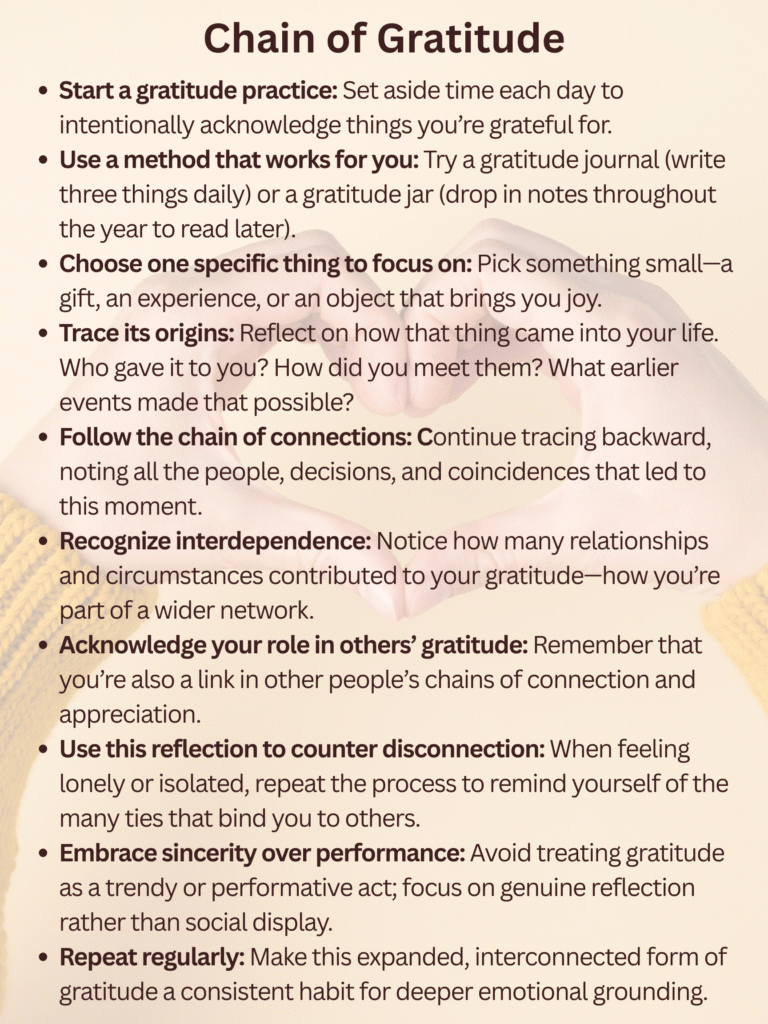
Six Questions to Evoke Gratitude
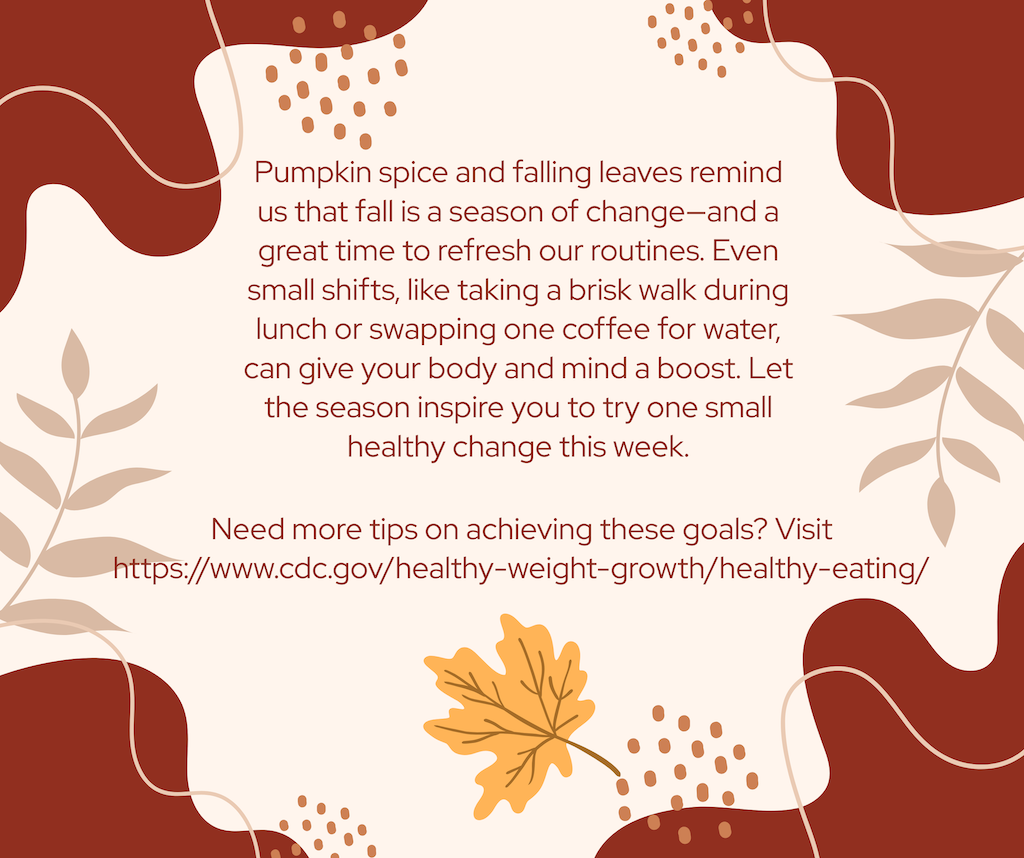
It’s hot. Like “maybe we should pack up and move to an arctic research base” hot. And while August is here and we look forward to Autumn just a little while from now we still have to find a way to beat the heat. Thankfully, Howard E. LeWine, MD, Chief Medical Editor at Harvard Health Publishing and Heidi Godman, Executive Editor at the Harvard Health Letter, have some answers. You can read their full article, titled Want to cool down? 14 ideas to try, here but we have a summary of their tips below. Stay cool out there!
The FDA recently issued a warning letter to Whoop over its Blood Pressure Insights feature, arguing that even an estimated BP reading—calibrated via a cuff and based on overnight HRV and heart‑rate data—crosses into medical device territory and needs formal clearance. Whoop insists this remains a wellness feature (not a diagnostic tool), citing the 21st Century Cures Act. The Verge story delves into how the line between “just wellness” and regulated medical tech is blurring—and why the distinction matters for consumer safety and innovation. Read more at https://www.theverge.com/health/715102/dangerously-blurry-line-between-wellness-and-medical-tech
When Alek Hermon remembers the most painful week of his life—the time his father lay in a coma before passing away—he also remembers the unexpected comfort of a nurse named Ray. Though their relationship began with tension and judgment, as Hermon struggled through lonely early morning ICU shifts, Ray gradually revealed his quiet compassion, asking about Hermon’s father and connecting over books. When the moment came to say goodbye and donate his father’s organs, Hermon felt surrounded yet completely alone—until Ray, stripped of his sterile gear and full of tears, ran down the hall to embrace him. In that moment, Hermon found solace not in protocol, but in human connection. “He took my suffering seriously,” Hermon said. “I was a real person to him.” Read the full story of Alek and Ray’s journey through grief and loss in the hospital at NPR.org.
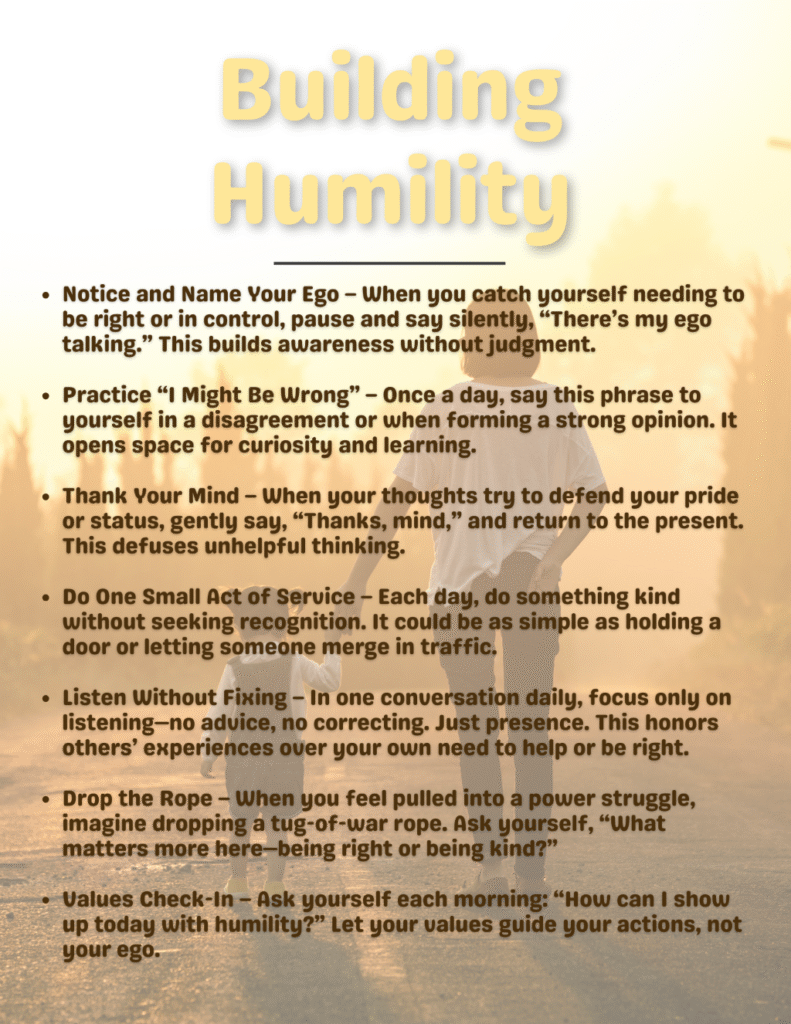
In a hospital, every role—from the surgeon in the operating room to the EVS team member keeping the hallways clean—plays a vital part in the health and safety of patients. Each person, regardless of title or uniform, contributes to the smooth functioning of the hospital ecosystem. Nurses, transport staff, dietary aides, lab technicians, security personnel, and administrative workers all form an interconnected web of care. When we recognize the value of each role, we move away from a hierarchy of importance and toward a culture of mutual respect and appreciation.
Getting to know one another beyond job titles helps foster community and improves morale. Simple acts like learning a colleague’s name or showing interest in their work create stronger team bonds and a sense of belonging. This not only enhances individual well-being but also leads to better communication, collaboration, and ultimately, better patient care. In a setting where stress and urgency are constant, building a culture of shared purpose and respect reminds everyone they are not alone—and that their work matters.
When summer arrives, many people welcome the freedom from rigid schedules—but for some, the sudden lack of routine can quietly contribute to symptoms of depression and anxiety. Without the structure of regular sleep, meals, and activity, our bodies and minds can lose their sense of stability, making us more vulnerable to mood disturbances, fatigue, and stress. The good news? You can protect your mental health by creating a loose daily routine that includes consistent wake/sleep times, physical activity, social connection, and moments of purpose or relaxation. Small anchors in your day can go a long way in keeping you grounded and emotionally well through the season. For more details check out the articles below:
In the month of July we will focus on maintaining good health and overall wellbeing as we get through the hottest weeks of the year! These tips come to us from our friends at Clinicians for Climate Action New Jersey by way of our colleague Jennifer Garefino.
Week 1: Keeping Safe and Having Fun While At-Risk
Climate Change & Heat-Related Health Impacts
Heat-Related Illnesses
Heat & Special Populations
💊 Medications & Heat Risks
GLMA: Health Professionals Advancing LGBTQ+ Equality (previously known as the Gay & Lesbian Medical Association) is the world’s largest and oldest association of LGBTQ+ healthcare professionals. GLMA is a national organization committed to ensuring health equity for lesbian, gay, bisexual, transgender, and queer (LGBTQ+) communities and equality for LGBTQ+ health professionals in their work and learning environments. To achieve this mission, GLMA utilizes the scientific expertise of its diverse multidisciplinary membership to inform and drive advocacy, education, and research.
The GLMA “10 Things” lists are resources to provide practical guidance to help LGBTQ+ patients navigate conversations with their healthcare providers. Whether you’re bisexual, gay, transgender, or lesbian, each guide offers tailored insights to support affirming and informed care.
Check out all the “10 Things” guides, and countless other resources, at https://www.glma.org/resources.php
The below is offered from The Trevor Project @ https://www.thetrevorproject.org/resources/guide/finding-support-building-community-amid-political-uncertainty/
Following the 2024 elections, The Trevor Project saw a nearly 700% increase in volume across our classic crisis services. We have heard many LGBTQ+ young people across the country on our lines, social media, and TrevorSpace. LGBTQ+ youth express a wide range of emotions — including anxiety, stress, fear, and sadness – about how the new political environment in the U.S. may impact their lives, and the lives of people they love.
To help support LGBTQ+ young people through what can be an intense political climate, as well as help them find support and build community, we’re sharing a number of tips to consider and explore. As always, our crisis counselors are also available via text, calls, and chats 24/7, 365 days a year. The Trevor Project is 100% confidential and 100% free.
1. Take a moment for yourself
It’s easy for any of us to get wrapped up in negative political commentary and feel overwhelmed.
2. Reflect
It’s normal to consider what the future may hold, or to be uncertain about what certain policy positions might mean for you, friends, or family. It’s also important to remember that the full political landscape won’t become clear for many more days, and things won’t change overnight. Take this time to take care of yourself and reflect on how you want to use the time leading up to inauguration, while also considering proactive steps to protect your rights.
3. Find community
The LGBTQ+ community is vibrant, diverse, and lives in every corner of the country.
4. Learn about LGBTQ+ organizations
5. Set aside time to relax
6. Take a break from news and social media
7. Trans youth: look to the future
8. If or when you’re up for it, take action
From Mental Health America: “Building a family as an LGBTQ+ person can take many forms. Whether through birth, adoption, fostering, surrogacy, or chosen family, these journeys are grounded in commitment, care, and intention. LGBTQ+ families may still face stigma or discrimination, which can impact mental health. This article offers tips and resources to support your mental health as an LGBTQ+ adult as you build a family.”
Full article @ https://mhanational.org/resources/lgbtq-parenting-mental-health/
LGBTQ+ families are strong and diverse:
LGBTQ+ people build families in many ways, including birthing, adoption, fostering, surrogacy, and co-parenting. They may also include chosen family and strong community connections.
LGBTQ+ families can face extra challenges:
LGBTQ+ families may deal with discrimination, legal barriers, and financial stress, which can impact mental health. Trans and nonbinary parents might also feel pressure to hide who they are to keep their children safe.
Affirming support makes a big difference:
Getting help from LGBTQ+-friendly therapists, joining support groups, and building community can help parents stay mentally healthy. Allies can support LGBTQ+ families by using inclusive language, creating welcoming spaces, and sharing their stories.